by Admin | Aug 20, 2021 | Chronicles, News
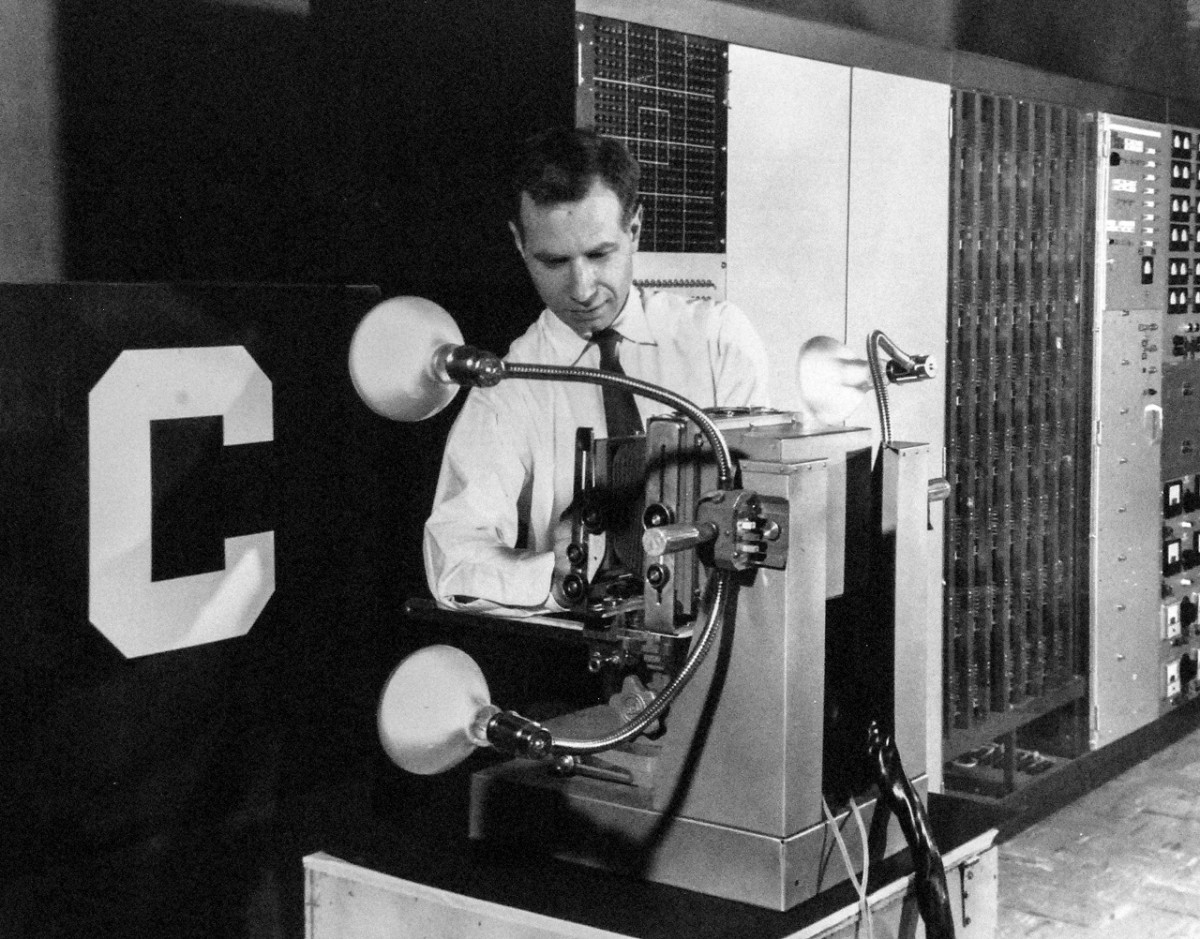
This week in The History of AI at AIWS.net – Frank Rosenblatt developed the Perceptron in 1957. It is a form of neural network that allowed pattern-recognition.
Frank Rosenblatt was an American psychologist. Born in 1928, Rosenblatt would go on to study at Cornell University for both his undergraduate studies and doctorate. He worked at Calspan, then the Cornell Aeronautical Laboratory, where he was a psychologist and became the head of one of the departments there. This lab is also where he would develop perceptrons. In 1959, he went to work at the Cornell campus on Ithaca, becoming a professor and director of programs. Rosenblatt passed away in 1970.
The Perceptron is a device that was built with biological principles ability to learn in mind. It was originally simulated on an IBM machine in 1957. Rosenblatt received media recognition and coverage for the Perceptron, with magazines such as the New Yorker proclaiming that it was “a remarkable machine… capable of what amounts to thought.” However, Marvin Minsky and Seymour Papert put a damper on the enthusiasm for Perceptrons when they published a book describing its limitations. The utility of Peceptrons is still discussed to this day, with some even claiming that it was ahead of its time.
This development is considered an event in the history of AI since Perceptrons were seen as one of the precursors to artificial intelligence. It also displays the early thought and reception to the growing AI field. Thus, the HAI initiative considers this event one of the events in the History of AI.
by Admin | Aug 14, 2021 | Chronicles, News
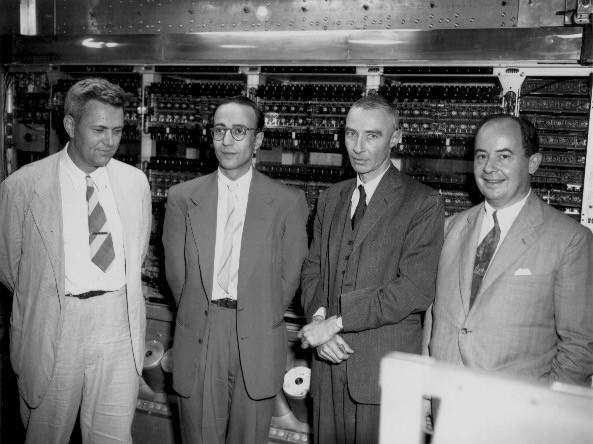
This week in The History of AI at AIWS.net – the Dartmouth Conference ended on 17th August 1956. This gathering lasted the entire summer at Dartmouth College in Hanover, New Hampshire, having started on 16th June.
The Dartmouth Conference was originally dreamt up by John McCarthy, Marvin Minsky, Nathaniel Rochester, and Claude Shannon. They envisioned a workshop to connect computer and information sciences with the brain. In addition to asking for funding, they also determined that Dartmouth College was the location to host such event.
At the actual event, various attendees came and go throughout the approximate eight weeks the workshop ran for. On weekdays, the participants had the top floor of the Mathematics Department at Dartmouth College to present their ideas, as well as having general discussions held. Participants and members (outside of the authors) of the discussions and presentations included, but not limited to, Ray Solomonoff, Arthur Samuel, Herbert Simon, Allen Newell, and Oliver Selfridge.
This end of this workshop marks one of the beginnings of AI – the conception of what AI is and AI could be. The attendees from the event discussed and brainstormed ideas on artificial intelligence, which they would bring back to their respective colleges and universities. Without a seminal event like this, AI would not exist or may have taken a different direction entirely. Thus, the HAI project considers the Conference an event in the History of AI.
by Admin | Aug 6, 2021 | Chronicles, News
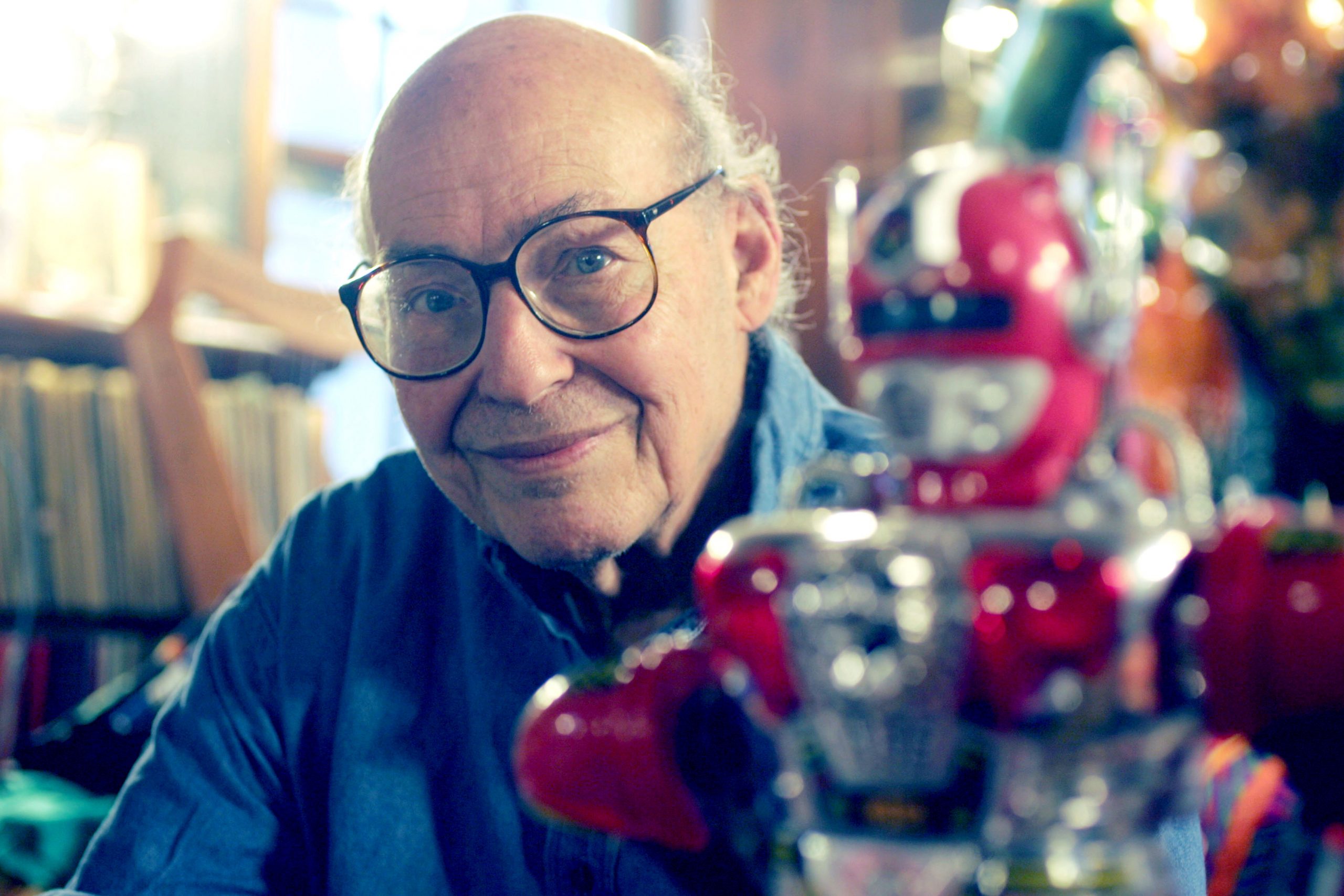
This week at the History of AI – Marvin Minsky was born on 9th August, 1927. Minsky was one of the most influential AI scientists.
Marvin Minksy was an important pioneer in the field of AI. He penned the research proposal for the Dartmouth Conference, which coined the term “Artificial Intelligence”, and he was a participant in it when it was hosted the following summer. Minsky would also co-founded the MIT AI labs, which went through different names, and the MIT Media Laboratory. In terms of popular culture, he was an adviser to Stanley Kubrick’s acclaimed movie 2001: A Space Odyssey. He won the Turing Award for his influence on AI in 1969, as well as the Benjamin Franklin Medal in 2011.
Marvin Minsky was one, if not the, most important figure in the development of Artificial Intelligence, as outlined above. His contributions to the Dartmouth Conference, as well as his works at MIT. Furthermore, he was one of the most famous face for AI development to the public and in popular culture. Thus, the HAI project considers his birth an event in the History of AI.
by Admin | Jul 30, 2021 | Chronicles, News
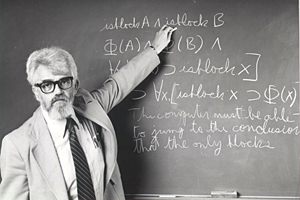
This week in The History of AI at AIWS.net – John McCarthy proposed the “advice taker” in his paper “Programs with Common Sense.” This hypothetical program was the first to use logic to represent information. The paper was published in 1959.
John McCarthy was an American computer scientist. He, along with Minsky and others, co-wrote the proposal for the Dartmouth Conference, and participated in it. McCarthy also developed the Lisp programming language. He spent most of his career at Stanford after working at Dartmouth and MIT. McCarthy won the Turing Award in 1971.
McCarthy wrote and published the paper while he was a part of the Computer Science at Stanford University. It can be viewed and downloaded here.
The HAI initiative considers this an event in the history of AI due to the paper being one of the earliest developments in artificial intelligence. Furthermore, John McCarthy is one of the pivotal figures in the growth of the field, having been there at the Dartmouth Conference.
by Admin | Jul 23, 2021 | Chronicles, News
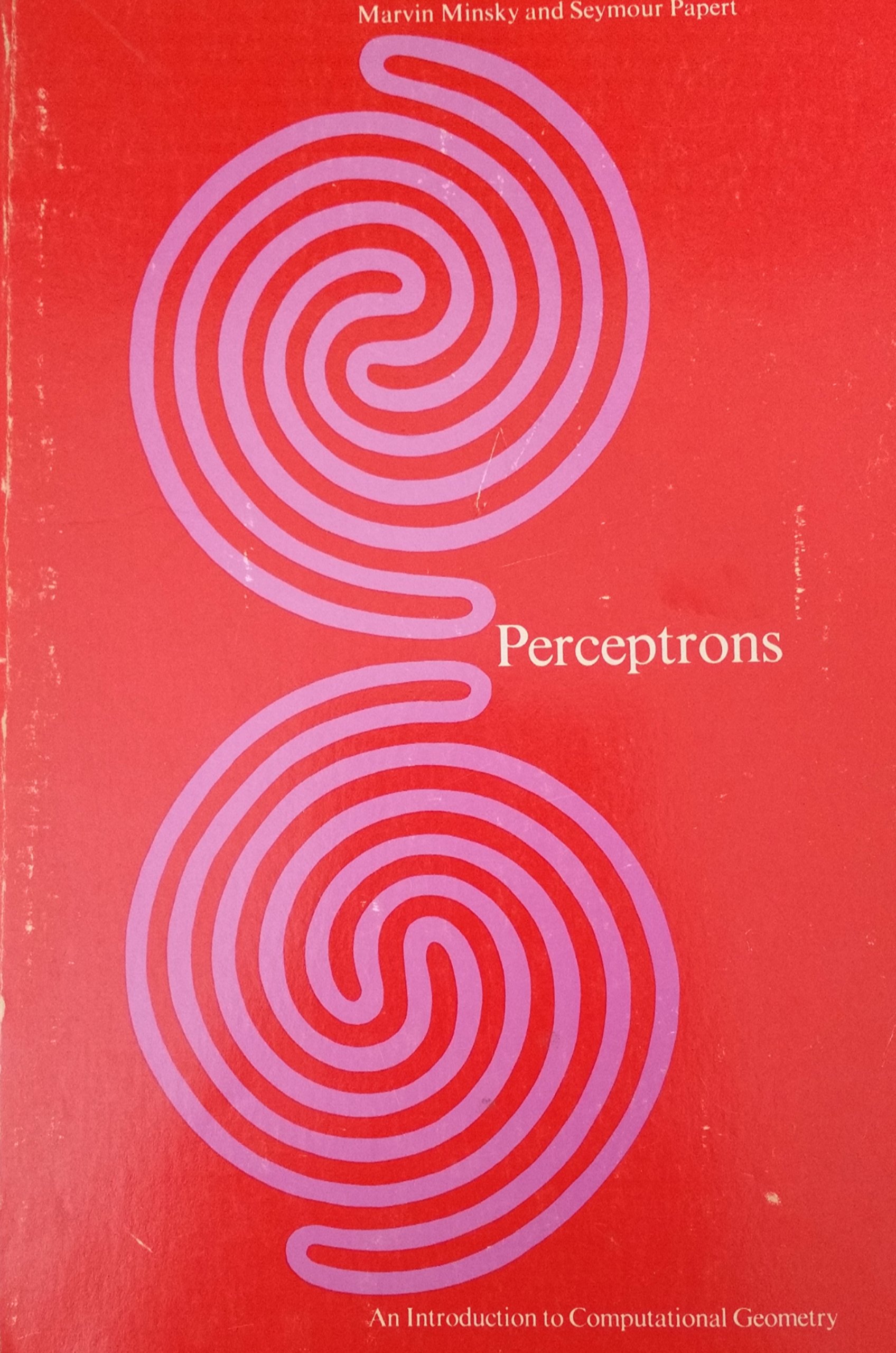
This week in The History of AI at AIWS.net – Marvin Minsky and Seymour Papert published Perceptrons in 1969. The book explored the concept of the “perceptron”, but also highlighted its limitations. It was also pessimistic in its predictions for AI, and was thought to have been a cause for the first AI winter. There was a revised and expanded edition published in 1988, which added a chapter countering criticisms of the book made in the twenty years after its publication.
Marvin Minksy was an important pioneer in the field of AI. He penned the research proposal for the Dartmouth Conference, which coined the term “Artificial Intelligence”, and he was a participant in it when it was hosted the next summer. Minsky would also co-founded the MIT AI labs, which went through different names, and the MIT Media Laboratory. In terms of popular culture, he was an adviser to Stanley Kubrick’s acclaimed movie 2001: A Space Odyssey. He won the Turing Award in 1969.
Seymour Papert was a South African-born mathematician and computer scientist. He was mainly associated with MIT for his teaching and research. He was also a pioneer in Artificial Intelligence. Papert was also a co-creator of the Logo programming language, which is used educationally.
The History of AI initiative considers this publication important because it furthered discourses on AI, specifically on perceptrons. The book was also a cause for the first AI winter, a pivotal event in the history of AI. Furthermore, Marvin Minsky was one of the founders of AI. Thus, HAI sees Perceptrons as meaningful in the development of Artificial Intelligence.
by Admin | Jul 16, 2021 | Chronicles, News
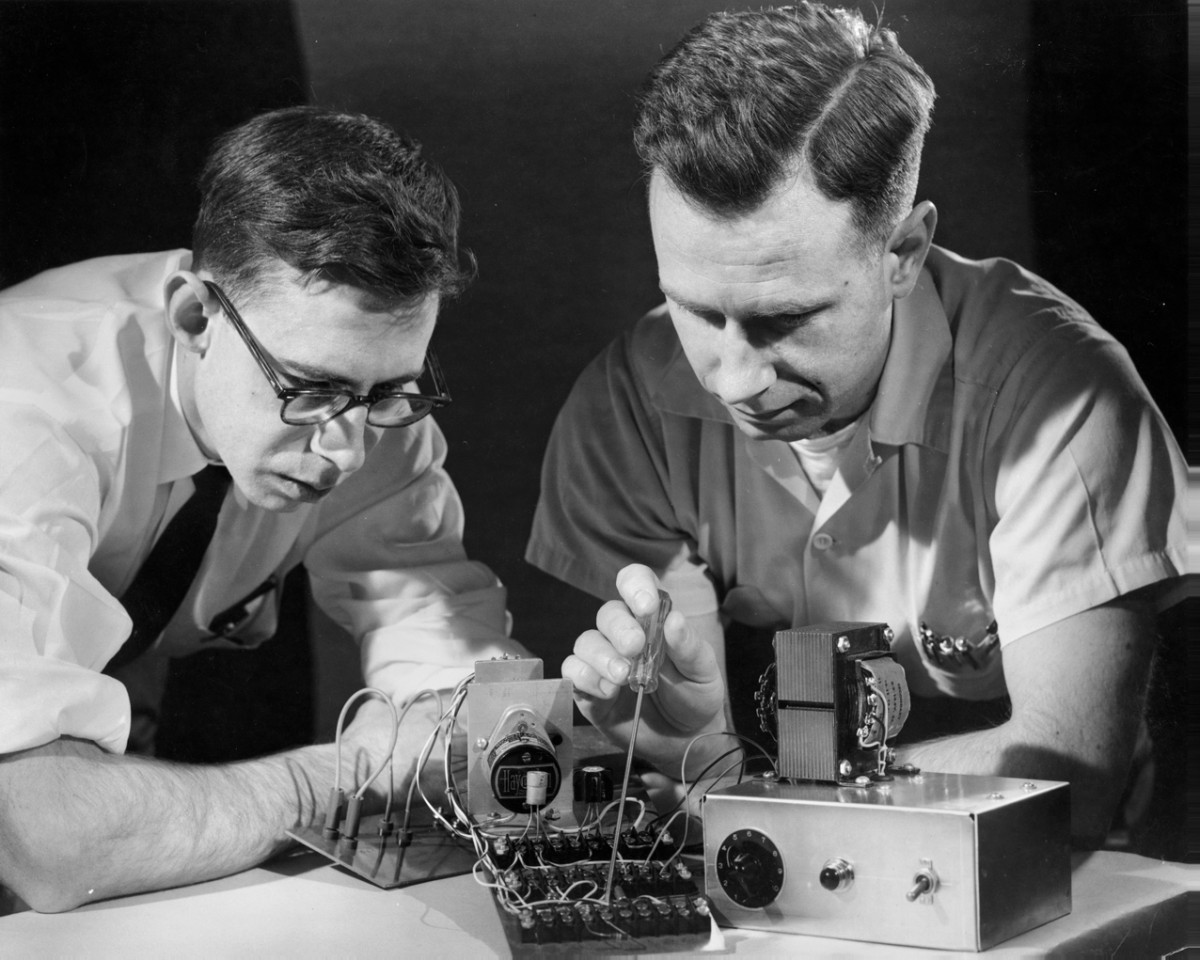
This week in The History of AI at AIWS.net – Frank Rosenblatt developed perceptrons in 1957. It is a form of neural network that allowed pattern-recognition.
Frank Rosenblatt was an American psychologist. Born in 1928, Rosenblatt would go on to study at Cornell University for both his undergraduate studies and doctorate. He worked at Calspan, then the Cornell Aeronautical Laboratory, where he was a psychologist and became the head of one of the departments there. This lab is also where he would develop perceptrons. In 1959, he went to work at the Cornell campus on Ithaca, becoming a professor and director of programs. Rosenblatt passed away in 1970.
The Perceptron is a device that was built with biological principles ability to learn in mind. It was originally simulated on an IBM machine in 1957. Rosenblatt received media recognition and coverage for the Perceptron, with magazines such as the New Yorker proclaiming that it was “a remarkable machine… capable of what amounts to thought.” However, Marvin Minsky and Seymour Papert put a damper on the enthusiasm for Perceptrons when they published a book describing its limitations.
This development is considered an event in the history of AI since Perceptrons were seen as one of the precursors to artificial intelligence. It also displays the early thought and reception to the growing AI field. Thus, the HAI initiative considers this event one of the events in the History of AI.